
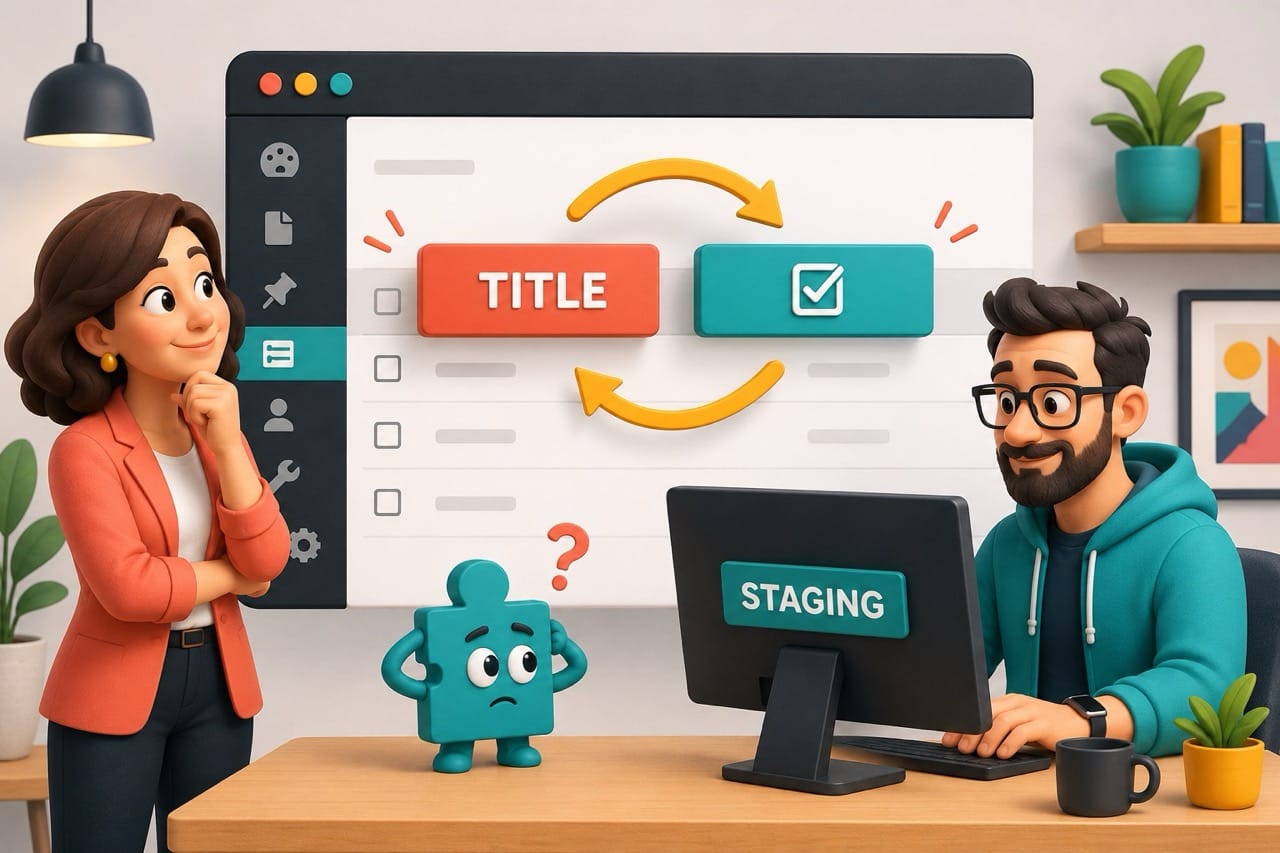
WordPress 7.1 Is Rearranging the Admin Table: What Site Owners Should Test Before August 19

Yelp Reviews Are Coming to ChatGPT: What Local Businesses Should Do Now
Local recommendations are moving into AI conversations, and Yelp is helping supply the evidence.
Axios reported on July 23, 2026 that Yelp is licensing ratings, reviews, photos, and business information to OpenAI. ChatGPT can use that material when answering local questions, with Yelp attribution and links appearing when its content is used. Yelp’s Request a Quote feature is also expected to come to local service searches in ChatGPT.
For a customer, the appeal is easy to see. Someone can describe what they need in plain language, compare options, review supporting information, and move closer to contacting a business without starting with a traditional list of search results.
For a local business, this creates another place where reputation and business information may influence the shortlist. It also raises a practical question: if ChatGPT recommends your company, will the information it finds and the website it sends people to help you win the enquiry?
What Has Changed?
Yelp has long been a source people use to evaluate restaurants, shops, home-service providers, and other local businesses. The reported agreement gives OpenAI licensed access to several useful parts of that dataset:
- ratings and written reviews
- business details
- customer and business photos
- Yelp attribution and links when its content is used
- a planned Request a Quote connection for local services
The final point matters for service businesses. AI local discovery may not stop at a recommendation. It can move closer to a transaction by helping a person begin the quote process.
This does not mean Yelp is the only source ChatGPT may use for local answers. It also does not give businesses a published formula for appearing in those answers. The defensible conclusion is narrower: Yelp data has a clearer route into ChatGPT, so the quality and accuracy of a business’s Yelp presence deserves attention alongside its website and other local listings.
Why This Matters to Business Owners
Reviews now have a wider possible audience
A review left on Yelp can do more than persuade someone browsing Yelp. Licensed Yelp content may support a recommendation made inside ChatGPT. That gives each credible review more potential reach.
The substance of those reviews matters as much as the star rating. Customers often mention the exact details another buyer wants to know: responsiveness, workmanship, wait times, communication, cleanliness, value, and whether the business handled a problem well. Those details help people judge fit.
Do not respond by chasing review volume at any cost. Ask real customers for honest feedback, follow Yelp’s rules, and avoid incentives that can damage trust. A smaller body of specific, believable reviews is more useful than a suspicious burst of generic praise.
Inconsistent information becomes a bigger liability
Local businesses often accumulate small mismatches across the web. One profile has old hours. Another uses a retired phone number. A service area changed, but only the website was updated. The company says “emergency repairs” on one page and does not mention them anywhere else.
Those discrepancies already frustrate customers and weaken local search work. AI recommendations add another reason to clean them up. A customer may ask a detailed question such as, “Which plumber near me offers weekend emergency service and has strong reviews for fast response?” Clear, consistent information gives recommendation systems and customers a firmer basis for an answer.
Review your business name, address where applicable, phone number, hours, categories, service areas, appointment options, and core service descriptions. Yelp, Google Business Profile, and the website should agree on the facts.
Your website still has to finish the job
Third-party reviews can earn attention, but your website controls much of the next experience. A person who clicks through wants quick confirmation that the recommendation makes sense.
The most useful landing page should answer four questions without making the visitor dig:
- Do you provide the service I need?
- Do you serve my location?
- Why should I trust you?
- What is the easiest next step?
A vague homepage can lose a highly interested visitor. A focused service page can confirm the service, show relevant proof, explain the process, address common concerns, and place a clear call or quote action within easy reach.
Mobile performance matters here. Many local searches lead to fast decisions. Slow loading, tiny text, intrusive pop-ups, buried contact details, and long forms create avoidable friction at the point when the customer is ready to act.
A Practical Local Visibility Check
Business owners do not need to redesign every part of their marketing because of one partnership. Start with the places most likely to affect trust and conversion.
1. Audit your Yelp profile
Confirm that categories, hours, contact information, service area, amenities, appointment details, and photos are accurate. Remove outdated claims where you can, and add recent images that show the business, team, work, or customer experience clearly.
Read your reviews as a prospective customer would. Look for repeated praise that belongs on the website and repeated concerns that point to an operational or communication problem.
2. Compare your main local profiles
Place Yelp, Google Business Profile, and your website side by side. Check the facts first, then compare how each source explains your services. A person should not have to reconcile conflicting descriptions before contacting you.
For multi-location or service-area businesses, repeat the check for every location. One correct head-office listing does not fix a neglected local page.
3. Improve the page that should receive the click
Choose the website page a customer should see after a recommendation for each priority service. That page should include:
- a clear service and location match
- original photos or examples of the work
- relevant testimonials or case evidence used with permission
- useful pricing context, process details, or decision guidance
- a short form, visible phone number, or quote button
Avoid sending every visitor to a generic homepage when a specific service page can answer the question faster.
4. Test the experience on a phone
Open the page on a mobile device using cellular data. Check how quickly the main content appears, whether the call-to-action is obvious, and whether the form is reasonable to complete with one hand. Fix anything that makes a ready customer pause.
5. Ask the questions your customers ask
Test a handful of natural local prompts in ChatGPT and other AI search tools. Use discovery questions, comparison questions, and service-specific questions. Note whether your business appears, whether the description is accurate, which sources are cited, and where the links lead.
Treat this as observation, not a precise ranking report. AI answers can vary by wording, location, available sources, and product changes. The goal is to spot obvious information gaps and weak conversion paths.
What Not to Assume
This announcement does not prove that more Yelp reviews will automatically produce a higher position in ChatGPT. It does not make Yelp the sole authority for local recommendations. It does not replace Google, a well-built website, or the broader work of local SEO.
It does show that local discovery is spreading across more interfaces. Businesses that keep accurate public information, earn credible third-party proof, publish useful service content, and remove website friction are better prepared for that shift regardless of which platform starts the conversation.
The Next Step
Start by checking the journey from recommendation to enquiry. Is your business information accurate? Do recent reviews describe the value customers care about? Does the linked website page confirm the service and location? Can a visitor take action in seconds?
Table Of Contents